Choose one kanji from a proverb and inspect its readings, vocabulary, and structure.
Open Kanji-Navi →Wisdom expressed in character
Traditional Japanese Proverbs
Japanese proverbs, or kotowaza (ことわざ), capture centuries of insights, humor, values, and observations about human nature. Grouped here by theme, they reveal the cultural context that gives Japanese characters and expressions their deeper meaning.
Mistakes & Humility
Mistakes & Humility
蛙の子は蛙
かえるのこはかえる
Kaeru no ko wa kaeru
"The child of a frog is a frog" (Like father, like son)
Children tend to inherit their parents' skills, traits, and paths in life. It emphasizes accepting natural nature and limitations, reminding us that we often resemble where we come from.
Mistakes & Humility
猿も木から落ちる
さるもきからおちる
Saru mo ki kara ochiru
"Even monkeys fall from trees" (Anyone can make a mistake)
Monkeys are famously skilled climbers, yet even they slip. This proverb reminds us that regardless of expertise, practice, or authority, errors are a natural part of being human.
Mistakes & Humility
井の中の蛙大海を知らず
いのなかのかえるたいかいをしらず
I no naka no kaeru taikai o shirazu
"A frog in a well does not know the great ocean" (Narrow-minded / Ignorant of the wider world)
A frog living in a well sees only a small circle of sky and believes it is the whole world. It cautions against provincial thinking, vanity, and ignorance of the vast opportunities and realities beyond our limited experience.
Mistakes & Humility
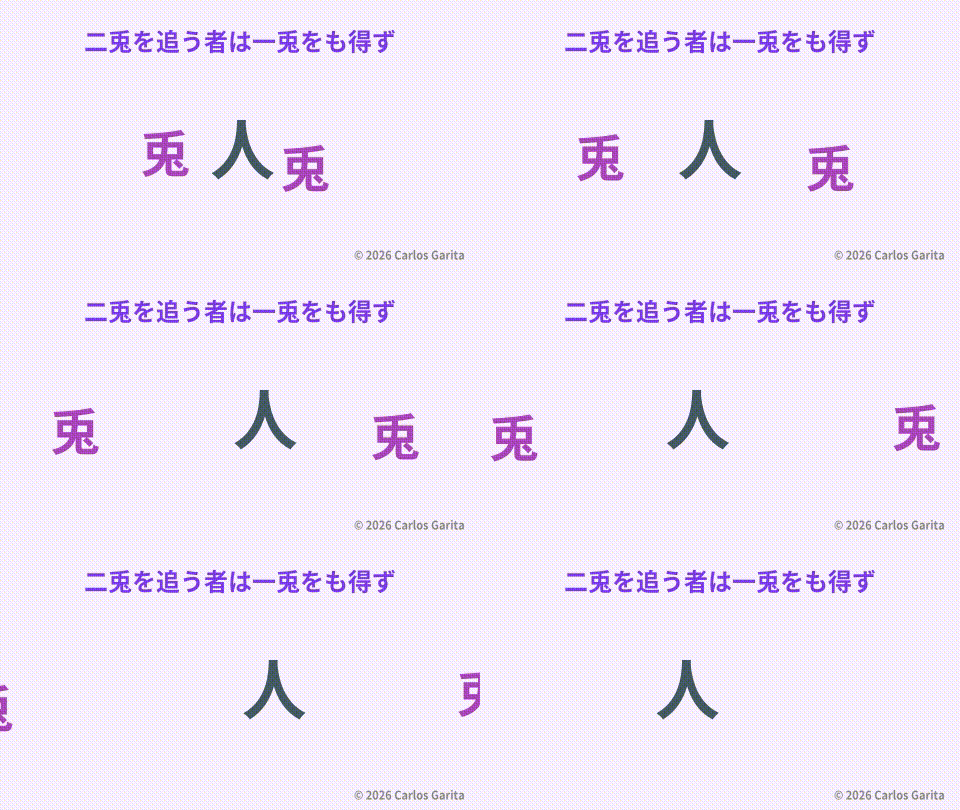
二兎を追う者は一兎をも得ず
にとをおうものはいっとをもえず
Nito o ou mono wa itto mo ezu
"He who runs after two hares will catch neither" (Concentrate on one goal)
Trying to chase two rabbits at the same time results in losing both as they run in different directions. It warns against being distracted by too many goals at once instead of focusing on one path.
Mistakes & Humility
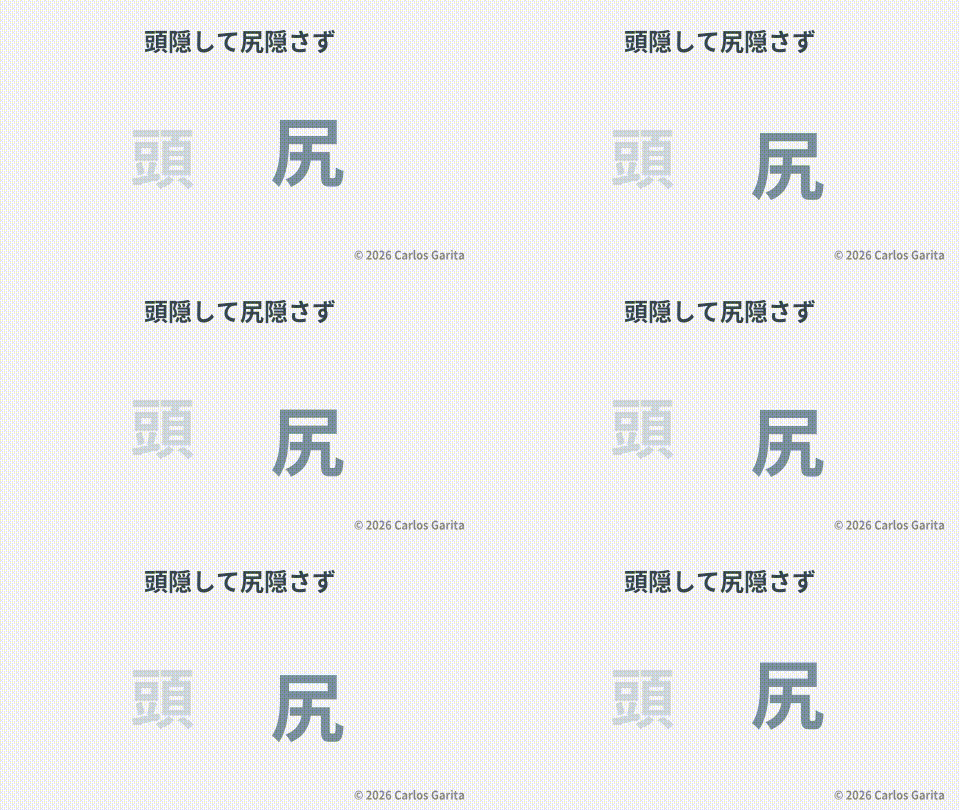
頭隠して尻隠さず
あたまかくしてしりかくさず
Atama kakushite shiri kakusazu
"Hide the head but not the tail" (Half-measures leave you exposed)
Like an animal sticking its head in a bush but leaving its tail exposed, this refers to those who think they have covered up their mistakes or secrets when in fact they are still glaringly obvious to everyone else.
Mistakes & Humility
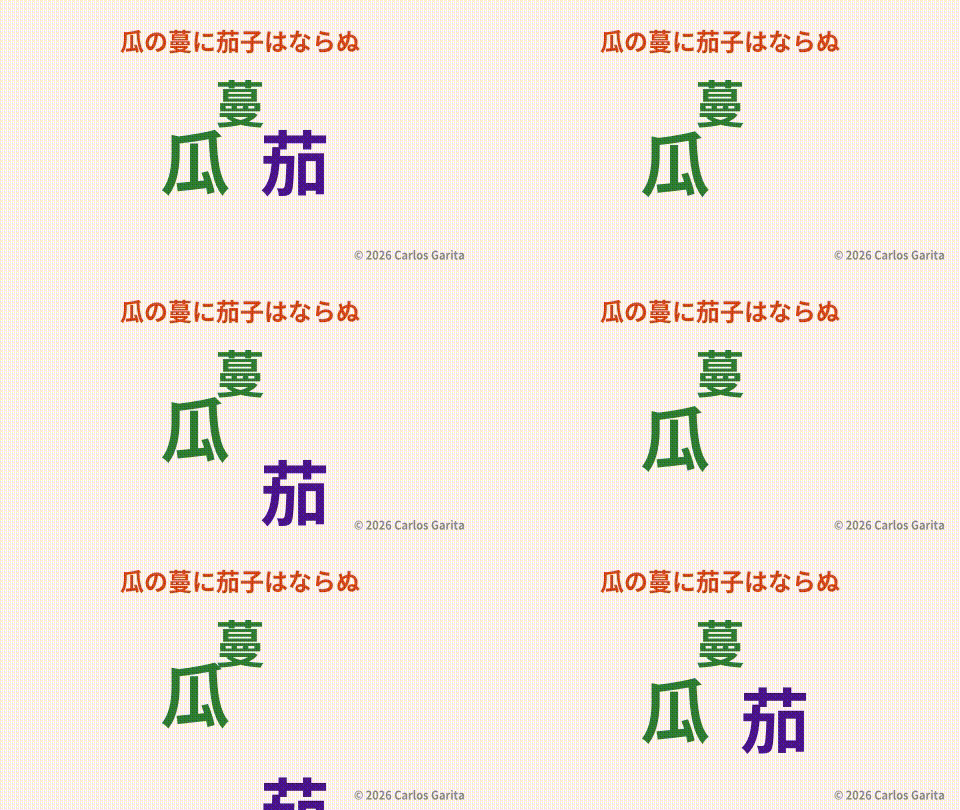
瓜の蔓に茄子はならぬ
うりのつるになすびはならぬ
Uri no tsuru ni nasubi wa naranu
"Eggplants do not grow on melon vines" (Like breeds like / A seed bears its own fruit)
Melons only grow from melon vines, and eggplants from eggplant seeds. An ordinary parent cannot produce an extraordinary genius, and outcomes are naturally determined by their origins.
Mistakes & Humility
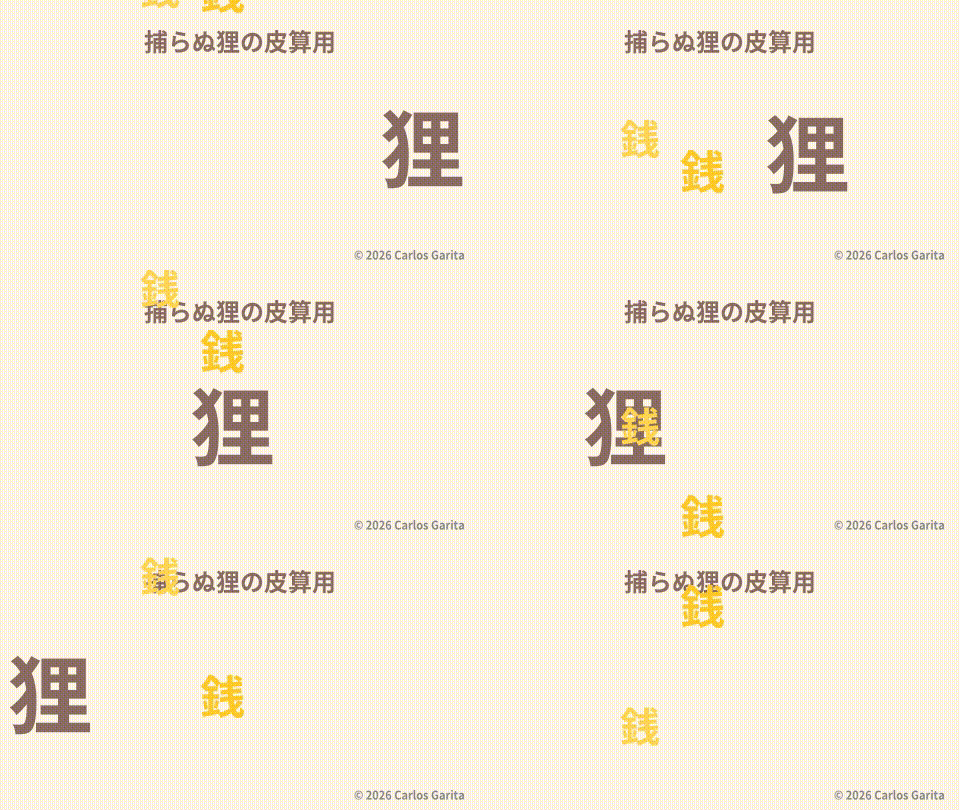
捕らぬ狸の皮算用
とらぬたぬきのかわざんよう
Toranu tanuki no kawazanyo
"Counting badger skins before they are caught" (Don't count your chickens before they hatch)
Refers to making plans or counting profits based on something that is not yet secured. It warns against premature celebrations or expecting success before the actual work is completed.
Mistakes & Humility
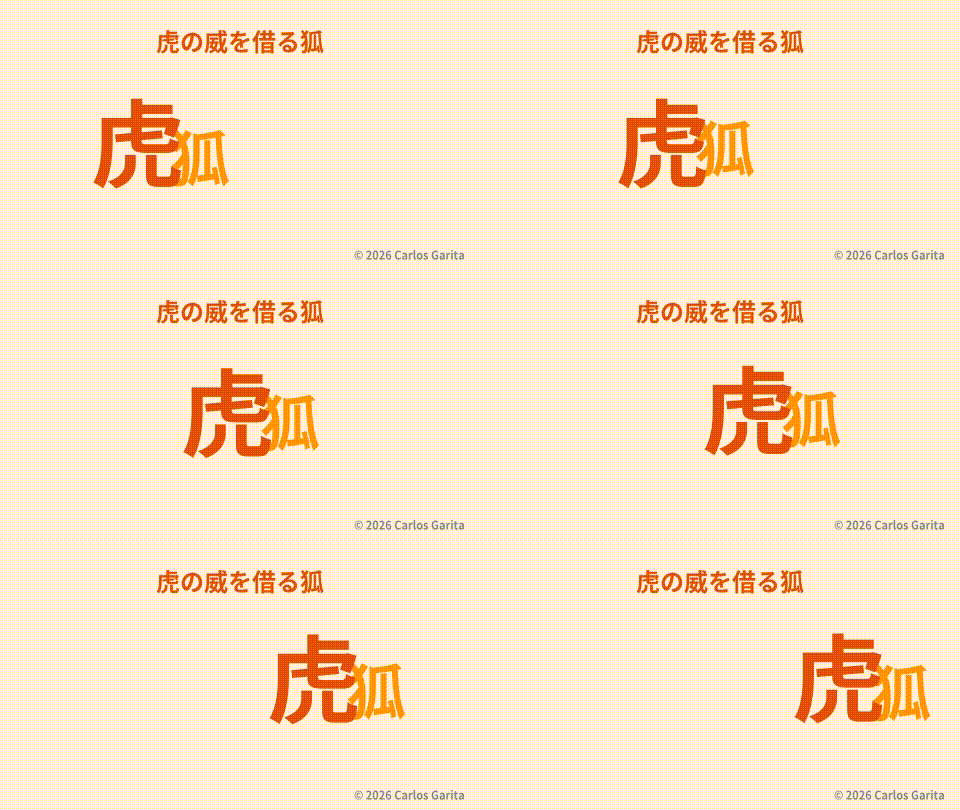
虎の威を借る狐
とらのいをかるきつね
Tora no i o karu kitsune
"A fox borrowing the authority of a tiger" (Basking in reflected glory / acting tough behind a stronger ally)
Describes a weak person who acts powerful and arrogant by relying on the influence or authority of a strong ally, much like a fox strutting proudly because it is standing in the shadow of a tiger.
Perseverance & Effort
Perseverance & Effort
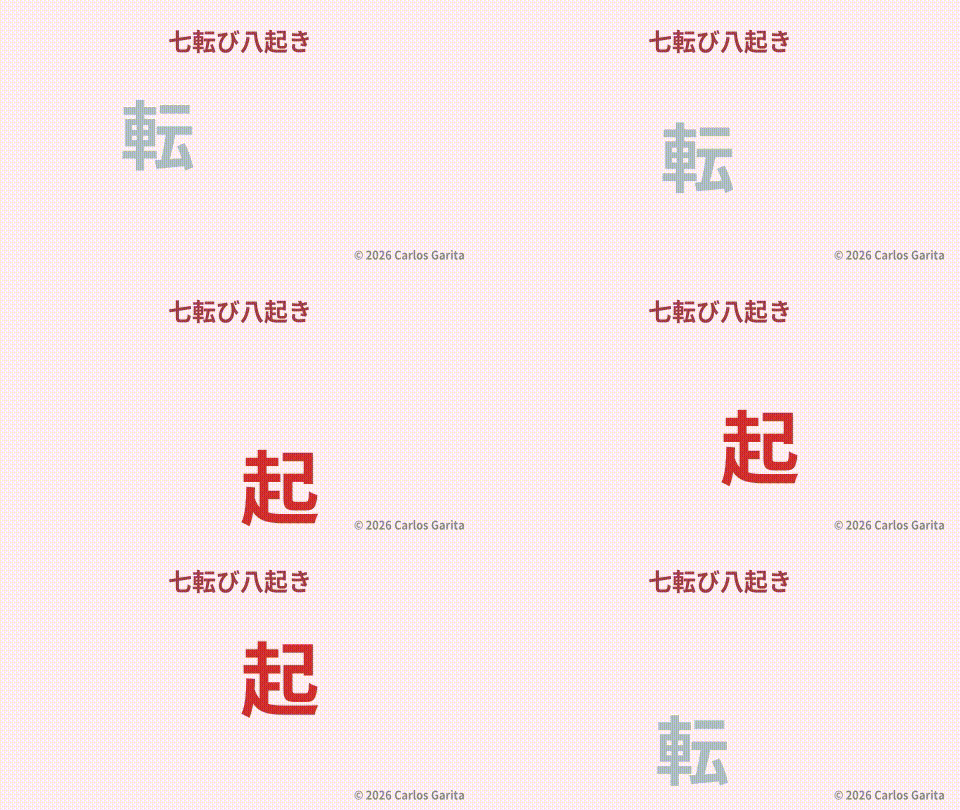
七転び八起き
ななころびやおき
Nana korobi ya oki
"Fall seven times, stand up eight" (Resilience and persistence)
A classic expression of resilience. Life brings countless hardships and setbacks, but true failure only comes when we stop standing back up and trying again.
Perseverance & Effort
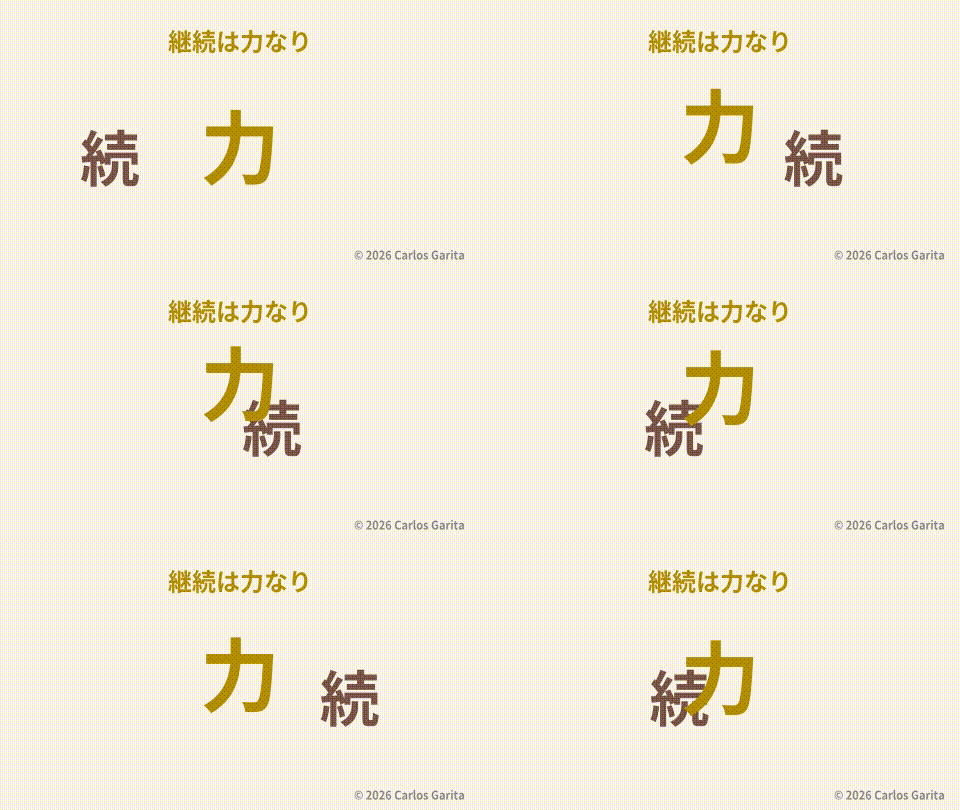
継続は力なり
けいぞくはちからなり
Keizoku wa chikara nari
"Persistence is power" (Consistency is strength)
Small, repeated efforts can accomplish extraordinary results over time. Making study or work a consistent daily habit builds mastery that cannot be rushed.
Perseverance & Effort
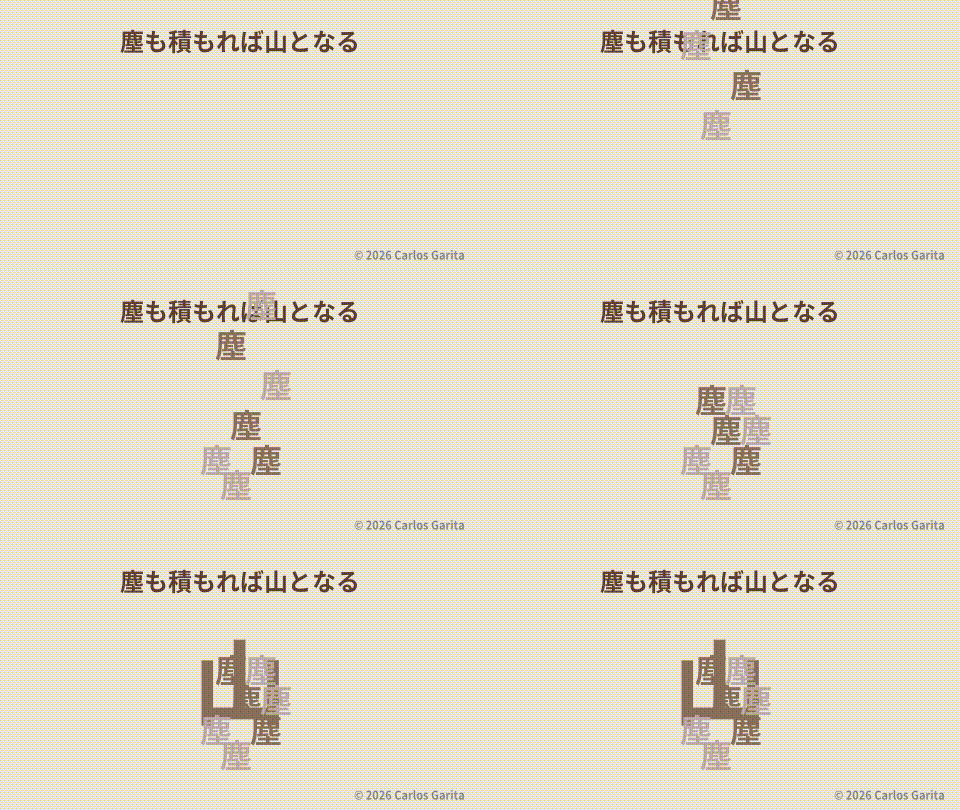
塵も積もれば山となる
ちりもつもればやまとなる
Chiri mo tsumoreba yama to naru
"Even dust, when piled up, becomes a mountain" (Many a little makes a muckle)
Even the tiniest speck of dust, if collected over a long enough period, can accumulate into a massive mound. It reminds us that no small effort is wasted, and steady persistence yields great achievements.
Perseverance & Effort
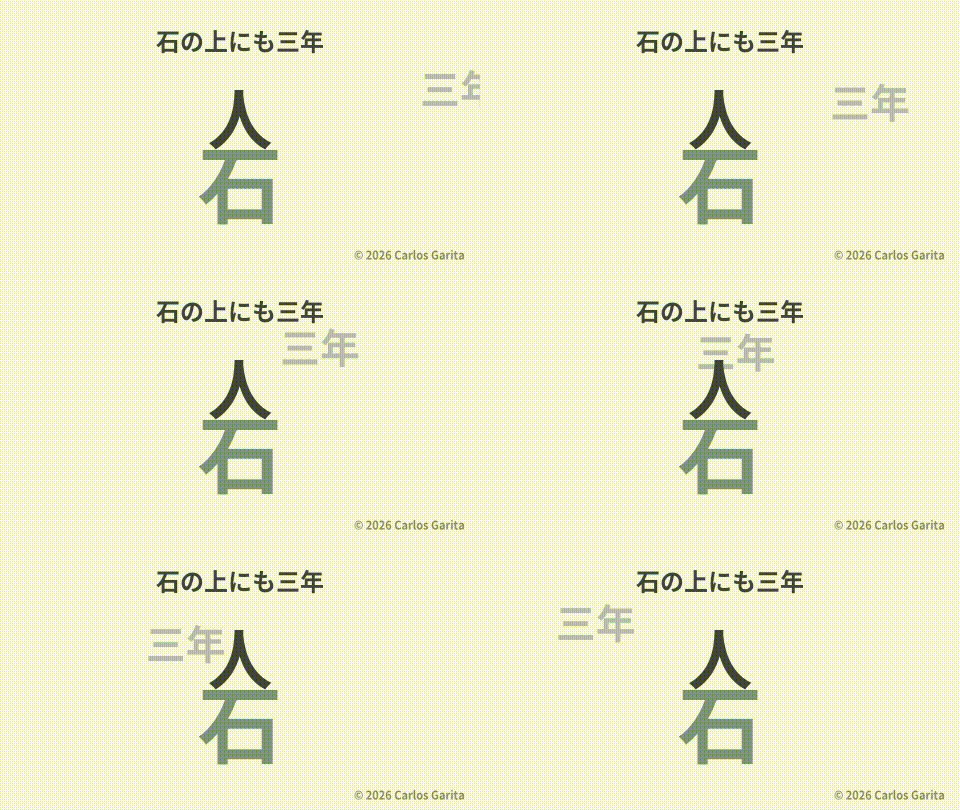
石の上にも三年
いしのうえにもさんねん
Ishi no ue ni mo sannen
"Three years on a stone" (Patience leads to success)
Sitting on a cold stone for three years will eventually make it warm. This represents the virtue of patience, showing that even the hardest or coldest situation can be improved if one remains dedicated and perseveres.
Perseverance & Effort
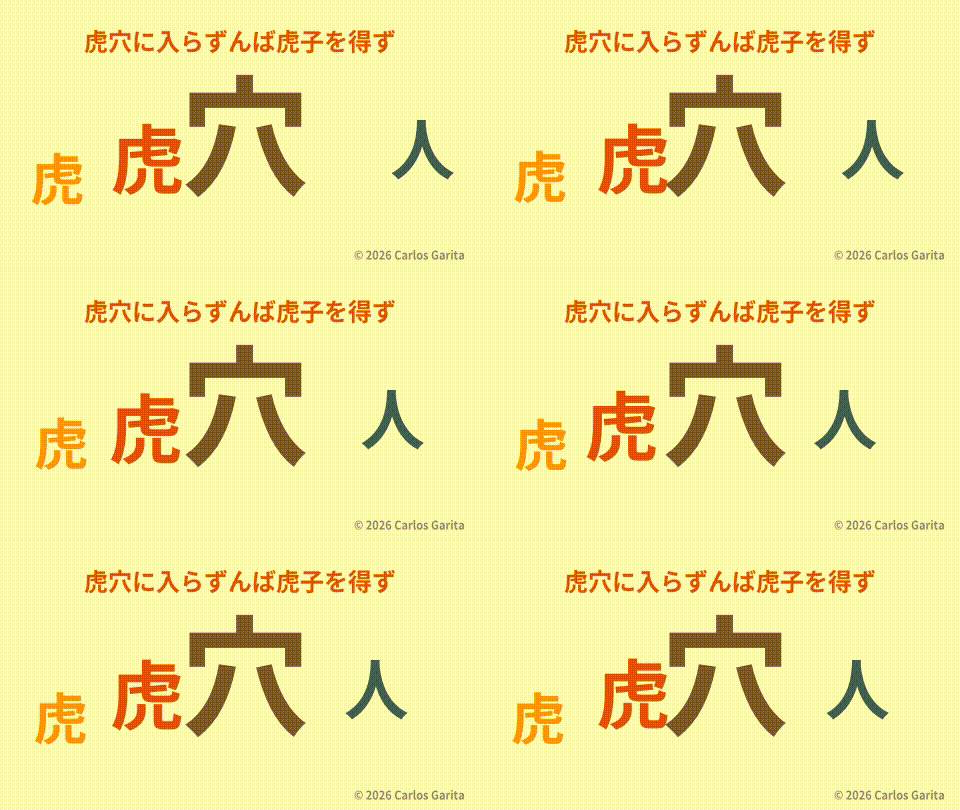
虎穴に入らずんば虎子を得ず
こけつにいらずんばこじをえず
Koketsu ni irazunba kojo o ezu
"If you do not enter the tiger's cave, you will not catch the tiger cub" (Nothing ventured, nothing gained)
To obtain something of great value, one must be willing to face danger and take risks. Avoiding all risks means never achieving high rewards.
Perseverance & Effort
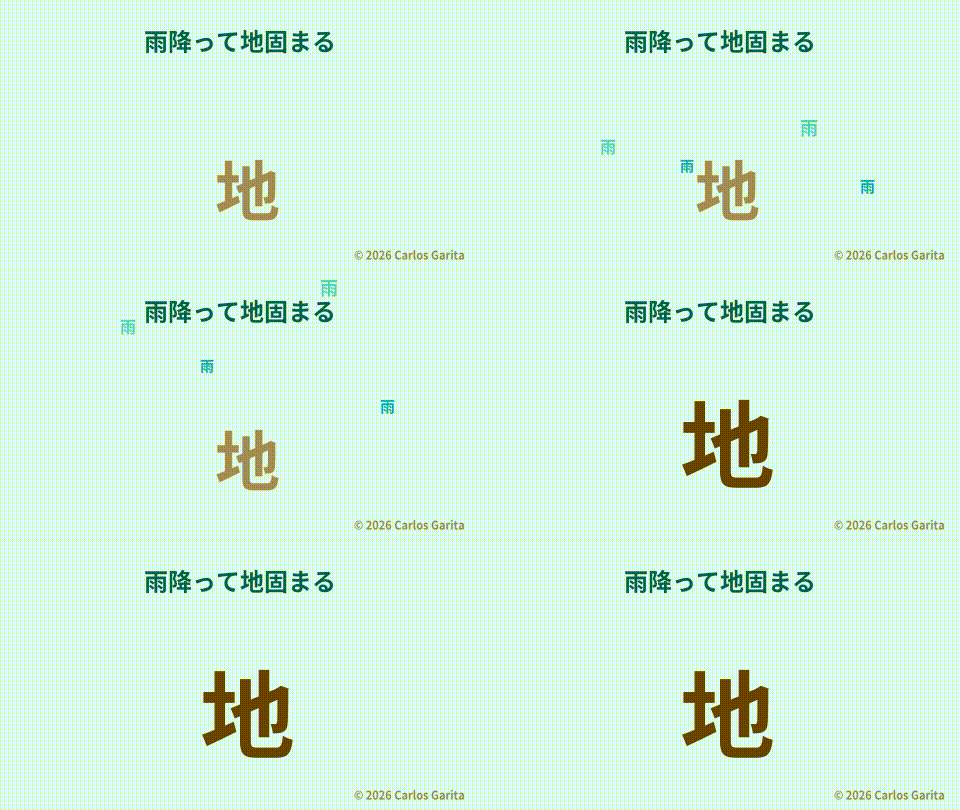
雨降って地固まる
あめふってじかたまる
Ame futte ji katamaru
"After rain falls, the ground hardens" (Adversity builds character / Good comes from a storm)
While a storm or rain makes the ground muddy and messy, it eventually dries and becomes much firmer and more stable than it was before. It serves as a reminder that conflicts and trials often lead to stronger relationships and solid foundations.
Perseverance & Effort
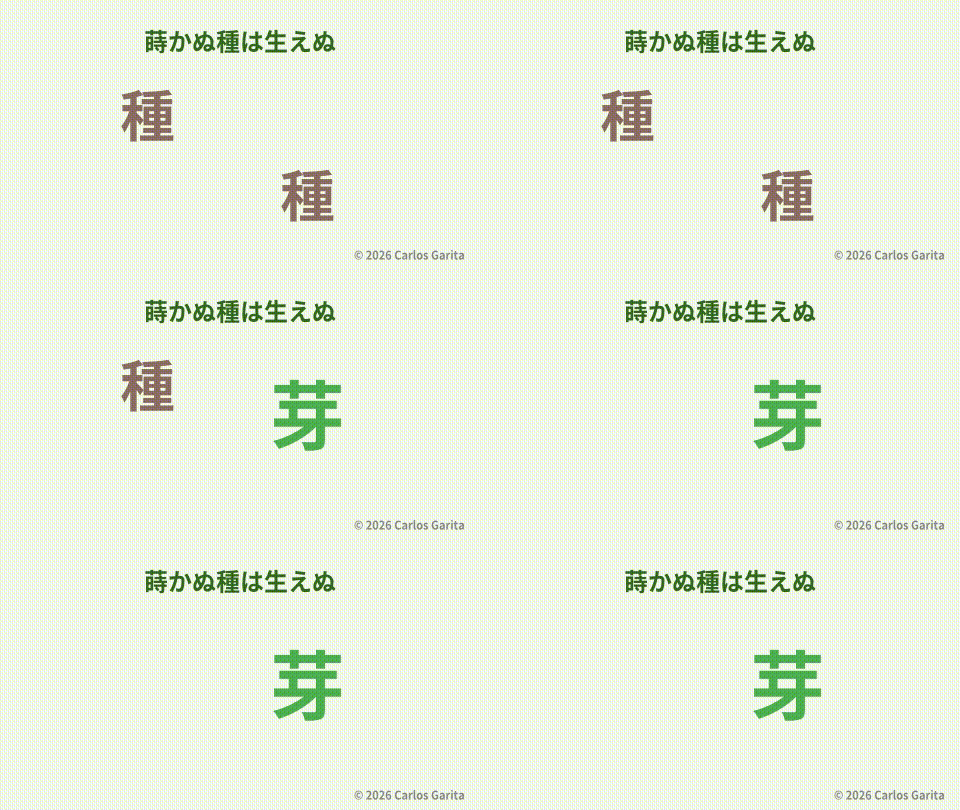
蒔かぬ種は生えぬ
まかぬたねははえぬ
Makanu tane wa haenu
"A seed that is not sown will not sprout" (No pain, no gain / You reap what you sow)
Sprouts can only grow if a seed has been planted. This proverb emphasizes that you cannot expect results or success if you do not put in any initial effort or take action first.
Perseverance & Effort
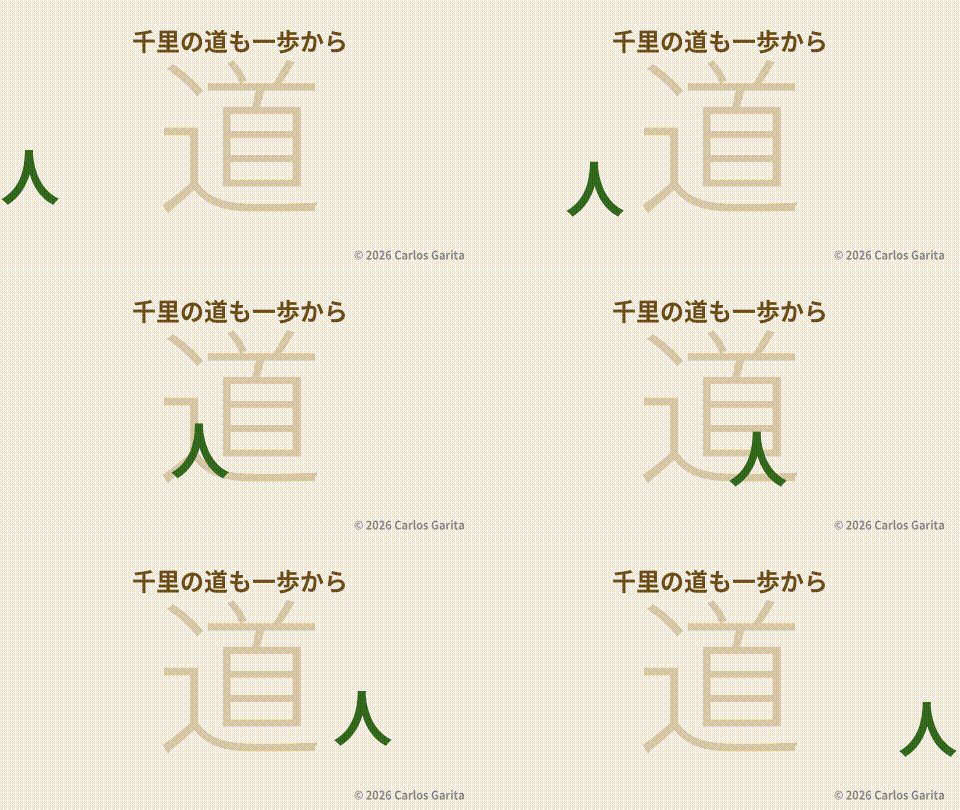
千里の道も一歩から
せんりのみちもいっぽから
Senri no michi mo ippo kara
"Even a thousand-mile road starts from a single step" (A journey of a thousand miles begins with a single step)
No matter how vast or distant a goal seems, it can only be reached by starting with one small, concrete action. This proverb encourages beginning rather than being overwhelmed by the size of the undertaking.
Life & Wisdom
Life & Wisdom
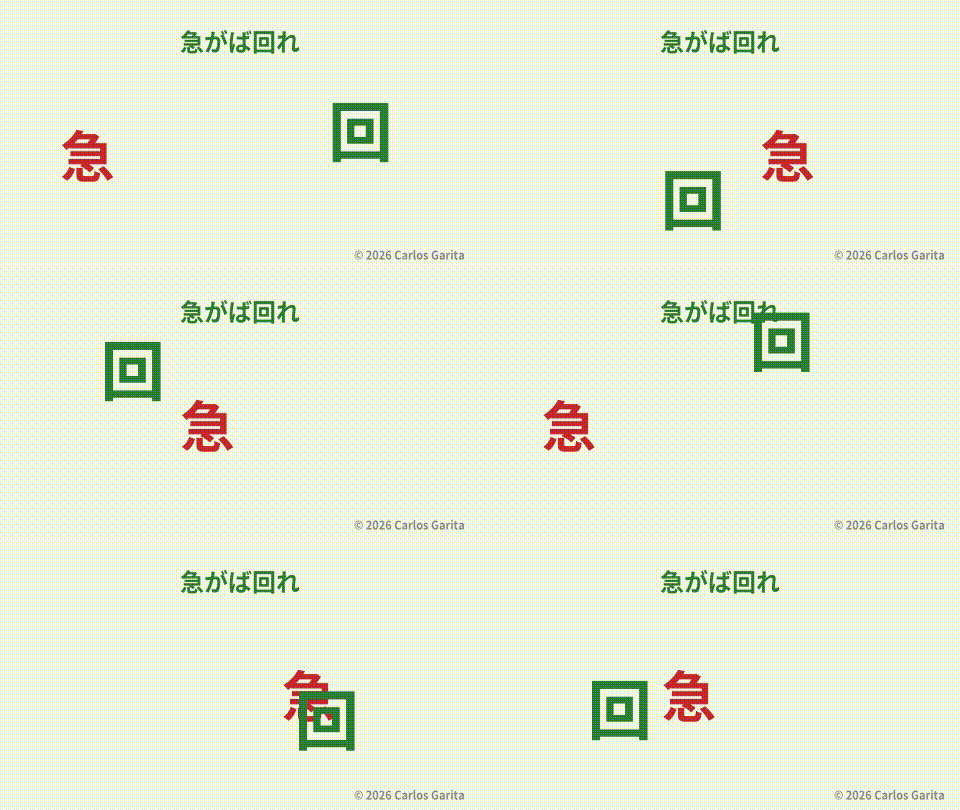
急がば回れ
いそがばまわれ
Isogaba maware
"If in a hurry, take the long way around" (Slow and steady wins the race)
Shortcuts are tempting but often carry hidden risks. When speed is critical, taking the established, reliable path is actually the fastest way to succeed safely.
Life & Wisdom
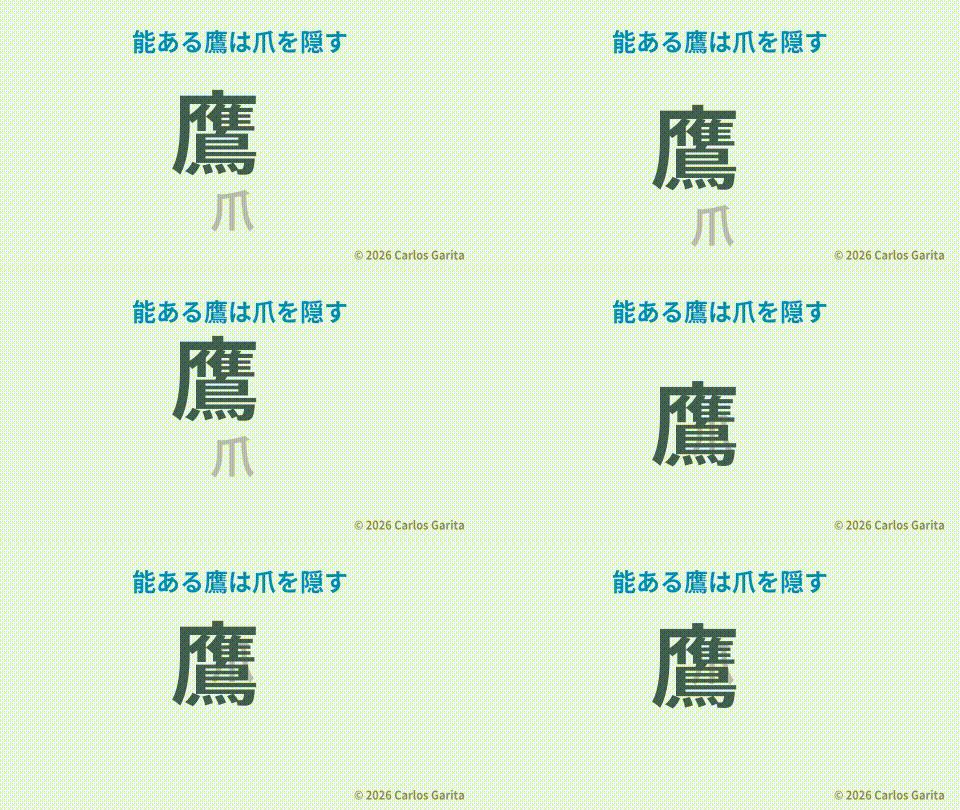
能ある鷹は爪を隠す
のうあるたかはつめをかくす
Nou aru taka wa tsume o kakusu
"A skilled hawk hides its talons" (True talent does not show off / Still waters run deep)
A wise or capable person does not feel the need to boast or show off their skills constantly. Like a hawk keeping its claws retracted until the hunt, they keep their power hidden until it is truly needed.
Life & Wisdom
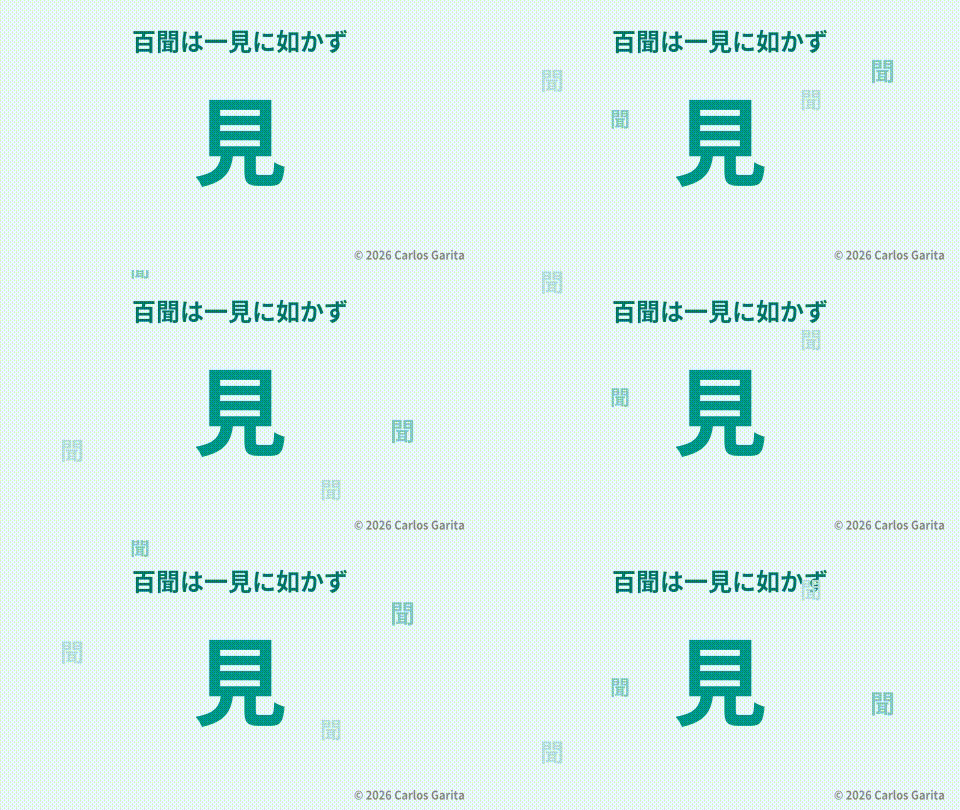
百聞は一見に如かず
ひゃくぶんはいっけんにしかず
Hyakubun wa ikken ni shikazu
"A hundred hearings are not worth one seeing" (Seeing is believing)
Hearing about something a hundred times is far less convincing or clear than seeing it once with your own eyes. It highlights the power of firsthand experience and visual representation.
Life & Wisdom
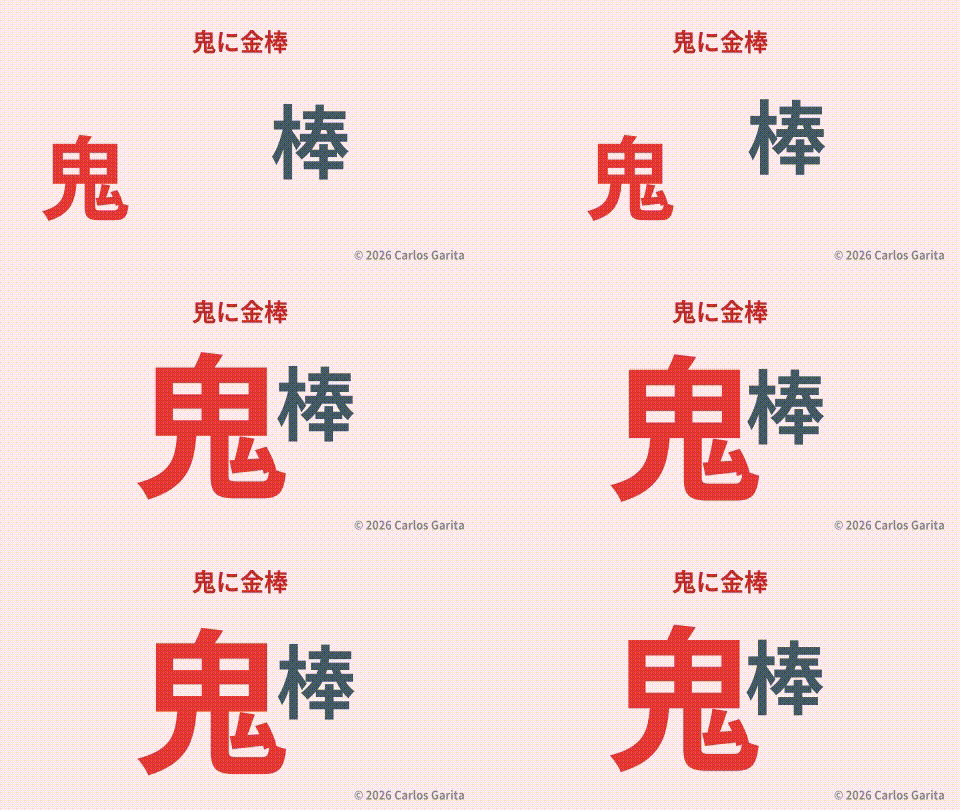
鬼に金棒
おににかなぼう
Oni ni kanabou
"A metal club to an ogre" (Making the strong even stronger / invincible)
An ogre (oni) is already naturally strong and fearsome. Equipping it with a heavy iron club (kanabou) makes it completely invincible. It describes adding a powerful asset or ally to someone who is already formidable.
Life & Wisdom
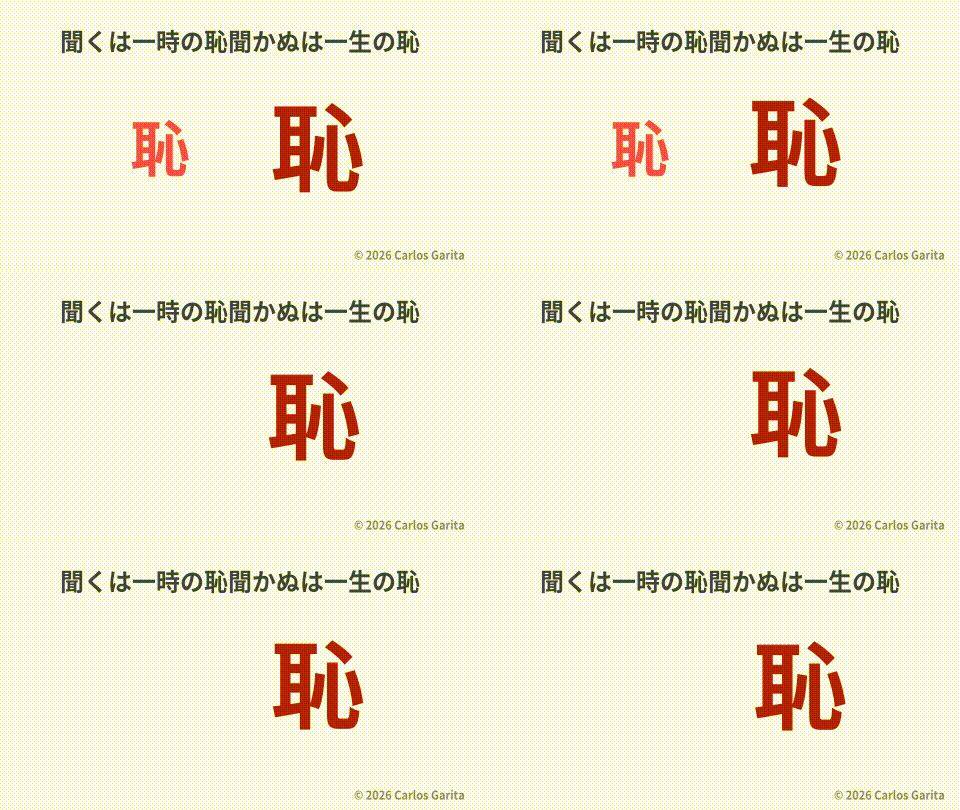
聞くは一時の恥、聞かぬは一生の恥
きくはいちじのはじ、きかぬはいっしょうのはじ
Kiku wa ichiji no haji, kikanu wa issho no haji
"To ask is a moment's shame, not to ask is a lifetime's shame" (Better to ask and look foolish once than to never learn)
Asking a question might make you feel momentarily embarrassed for not knowing something. However, failing to ask means you will remain ignorant forever, carrying that lack of knowledge as a permanent shame.
Life & Wisdom
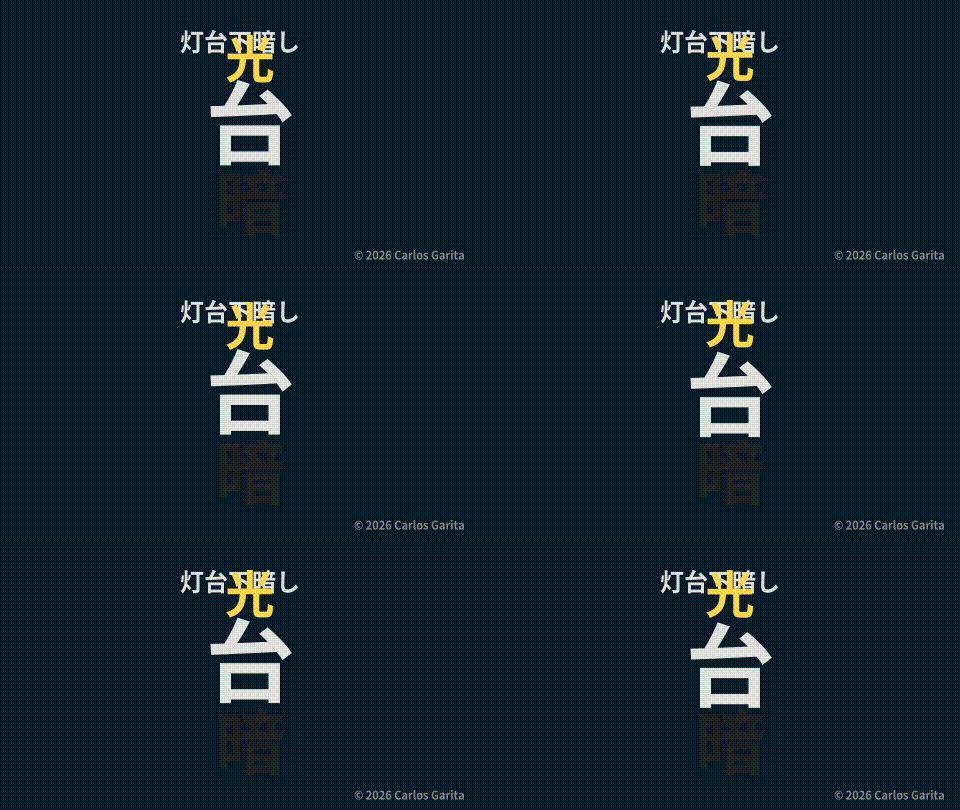
灯台下暗し
とうだいもとくらし
Todai moto kurashi
"It is dark at the foot of the lighthouse" (It is hardest to see what is under your nose)
A lighthouse projects its bright light far into the distance to guide ships, but its own base remains cast in shadow. Similarly, people often fail to notice opportunities, dangers, or truths that are right next to them.
Life & Wisdom
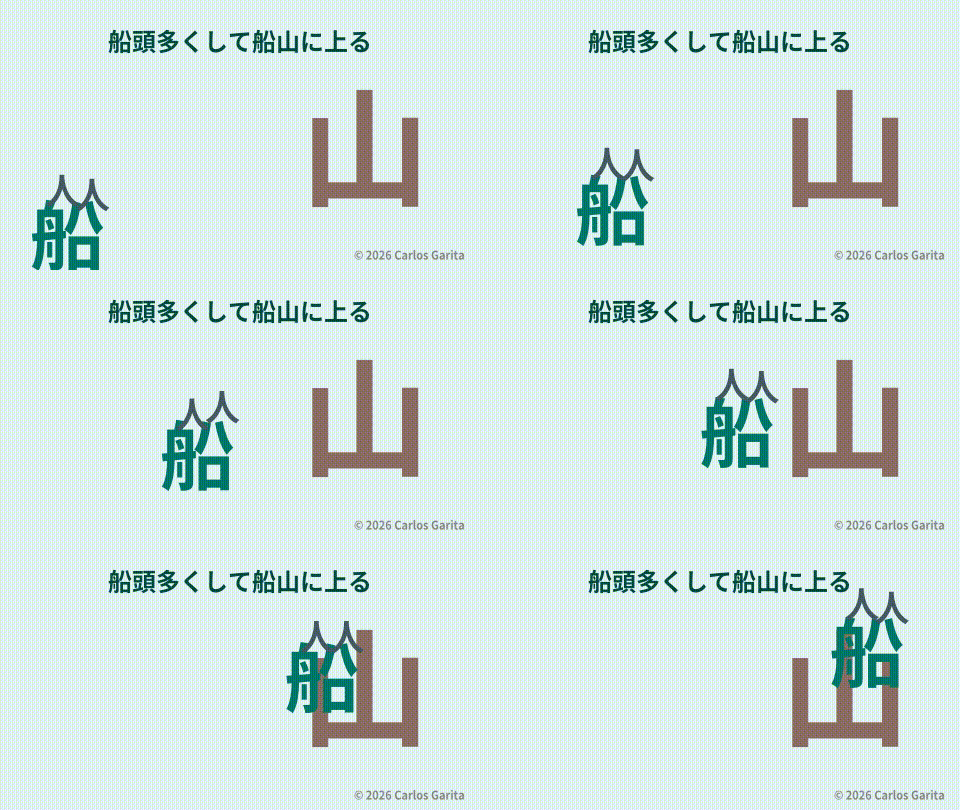
船頭多くして船山に上る
せんどうおおくしてふねやまにのぼる
Sendou ookushite fune yama ni noboru
"Too many boatmen will run the boat up a mountain" (Too many cooks spoil the broth)
If a ship has too many boatmen giving conflicting directions, it will lose its course entirely and end up sailing up a mountain. It warns against a lack of clear leadership and consensus in group undertakings.
Life & Wisdom
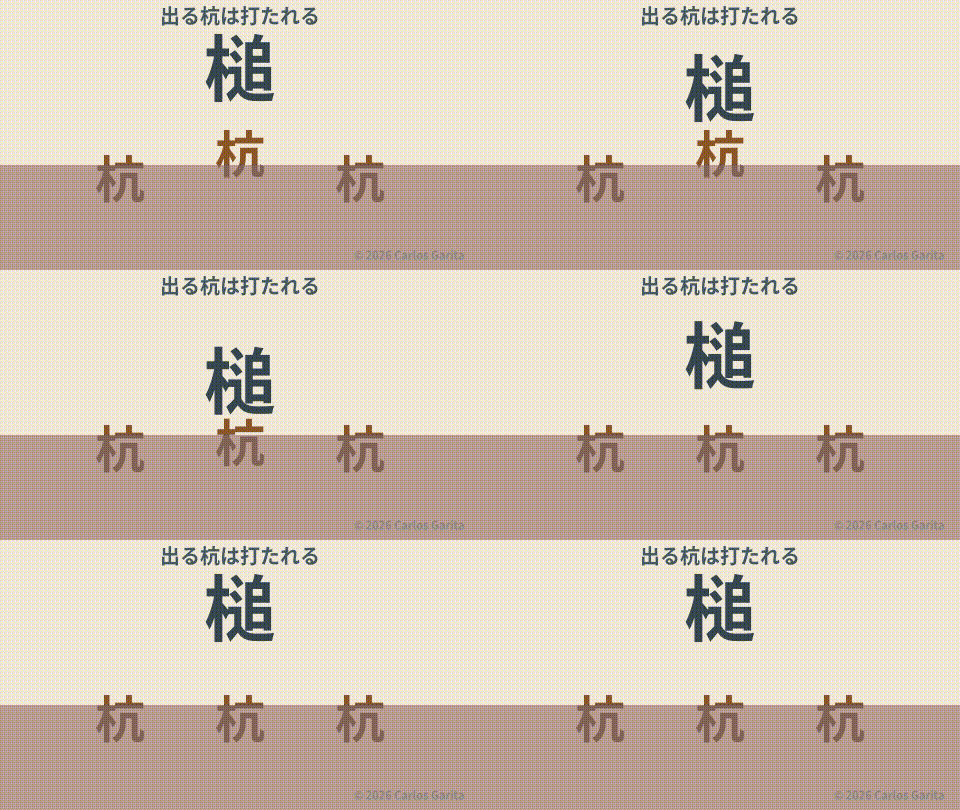
出る杭は打たれる
でるくいはうたれる
Deru kui wa utareru
"The stake that sticks out gets hammered down" (Standing out invites criticism)
A post that rises above the others in a row is the one that gets struck level again. This proverb describes how those who stand out from the group, whether through excellence or difference, often attract pushback until they conform.
Food & Daily Life
Food & Daily Life
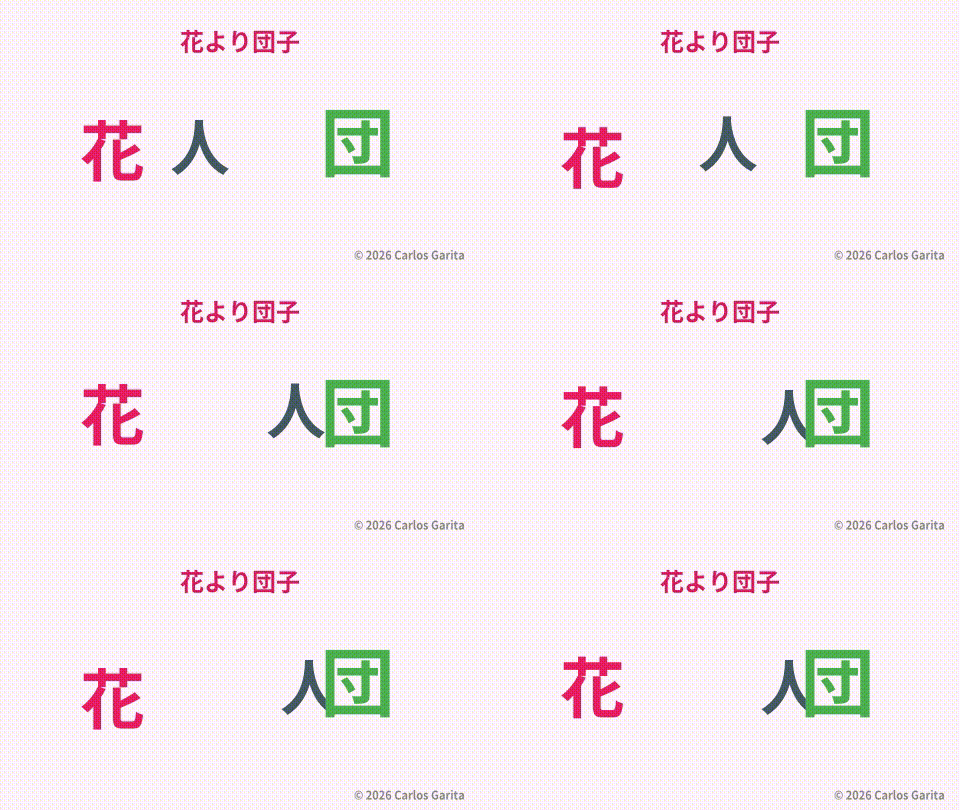
花より団子
はなよりだんご
Hana yori dango
"Dumplings over flowers" (Substance over style / Practicality over aesthetics)
During cherry blossom viewing, visitors often focus on the tasty rice dumplings (dango) rather than the transient blooms. It refers to choosing practical utility and physical comfort over mere elegance or aesthetic appearances.
Food & Daily Life
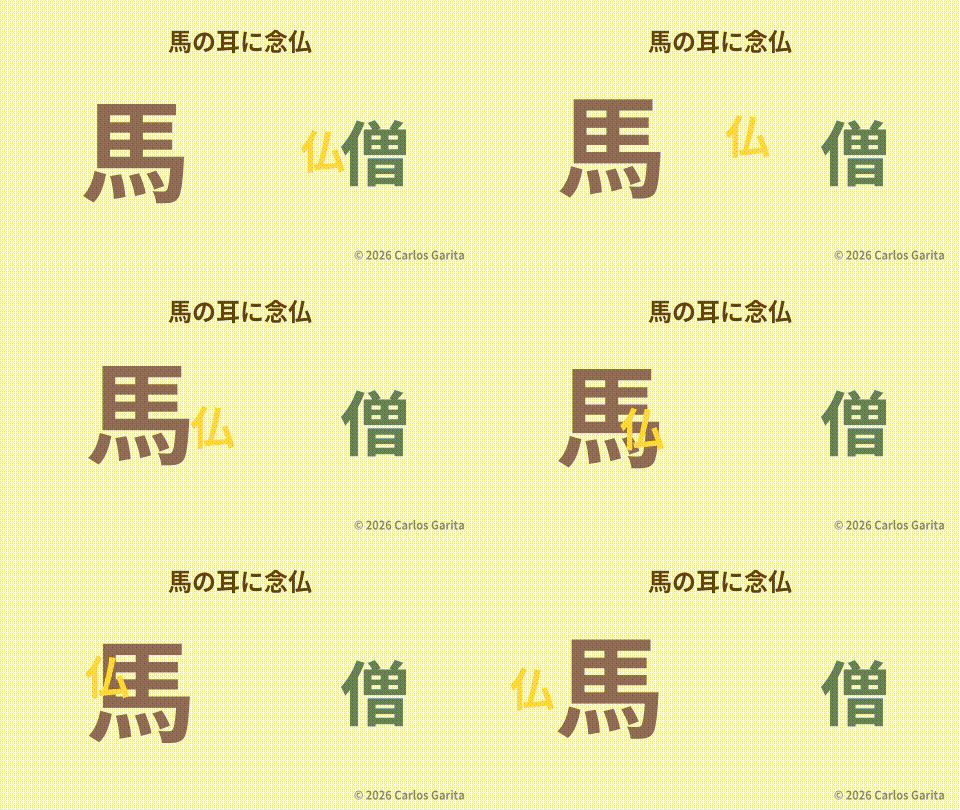
馬の耳に念仏
うまのみみにねんぶつ
Uma no mimi ni nenbutsu
"Buddhist prayers in a horse's ear" (Pearls before swine / Preaching to the wind)
Chanting sacred Buddhist prayers to a horse is a waste of time, as the horse cannot understand them. It describes giving wise advice or valuable items to someone who cannot appreciate or comprehend them.
Food & Daily Life
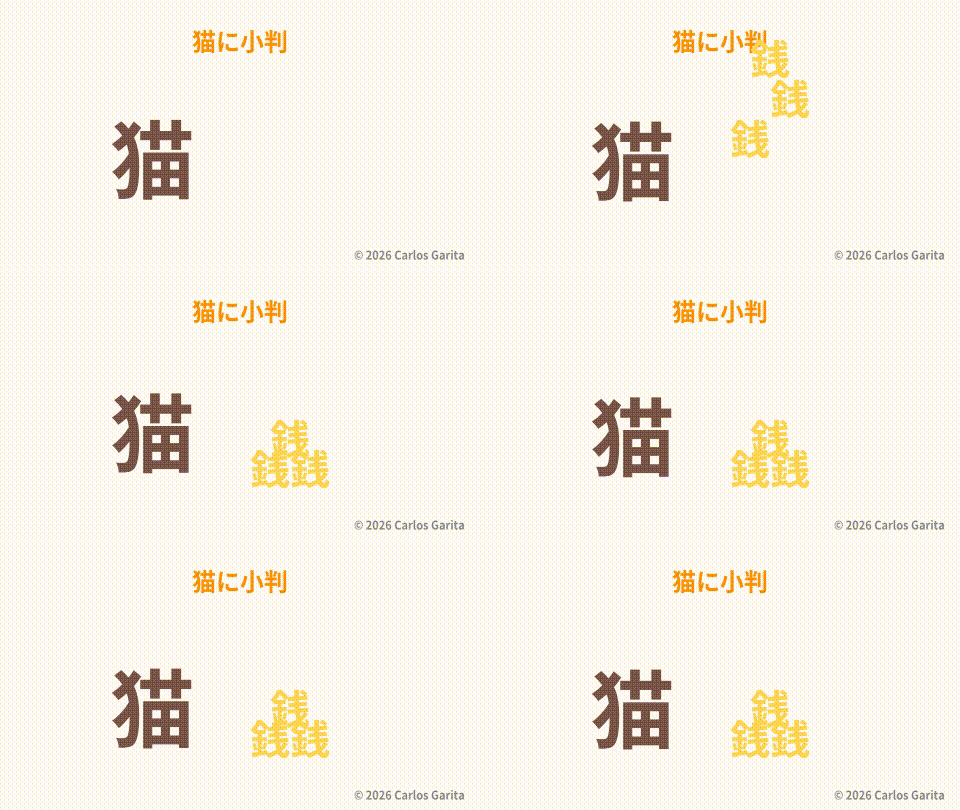
猫に小判
ねこにこばん
Neko ni koban
"Gold coins to a cat" (Pearls before swine)
Giving gold coins (koban) to a cat is useless because the cat does not understand the value of money. It refers to offering valuable things to people who are incapable of recognizing their worth.
Food & Daily Life
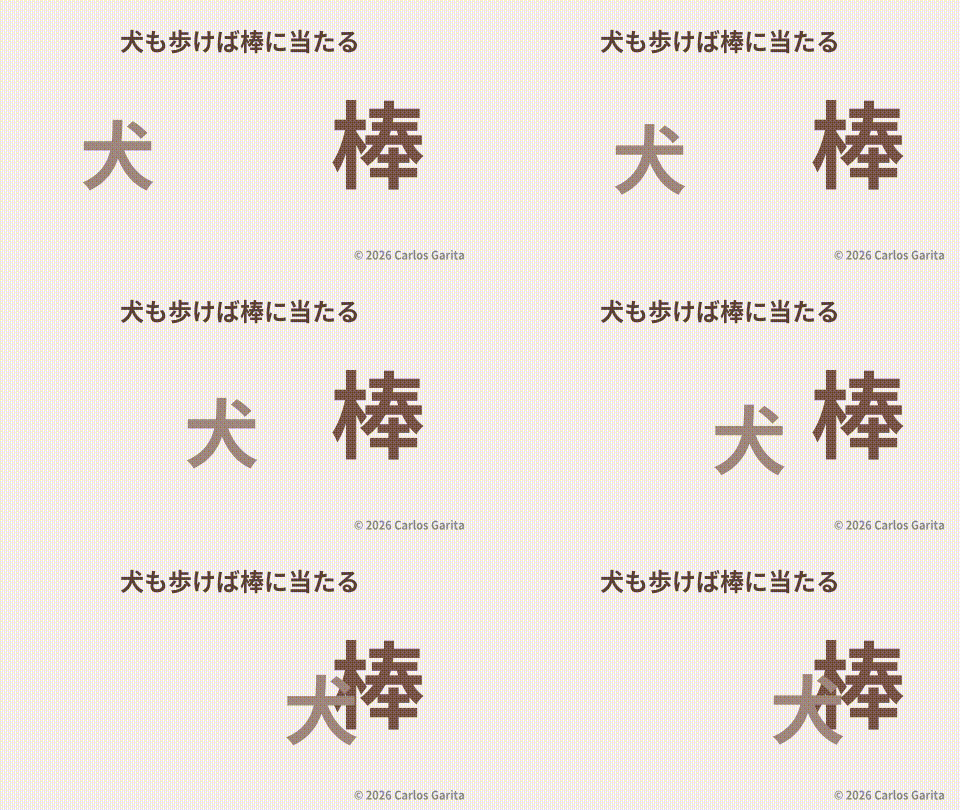
犬も歩けば棒に当たる
いぬもあるけばぼうにあたる
Inu mo arkeba bou ni ataru
"Even a dog, if it walks, will bump into a pole" (Action leads to unexpected outcomes / Good or bad luck)
Originally warning that taking actions can lead to unexpected disaster (bumping into a stick), this proverb has also evolved to mean that stepping out and trying things can lead to unexpected good fortune.
Food & Daily Life
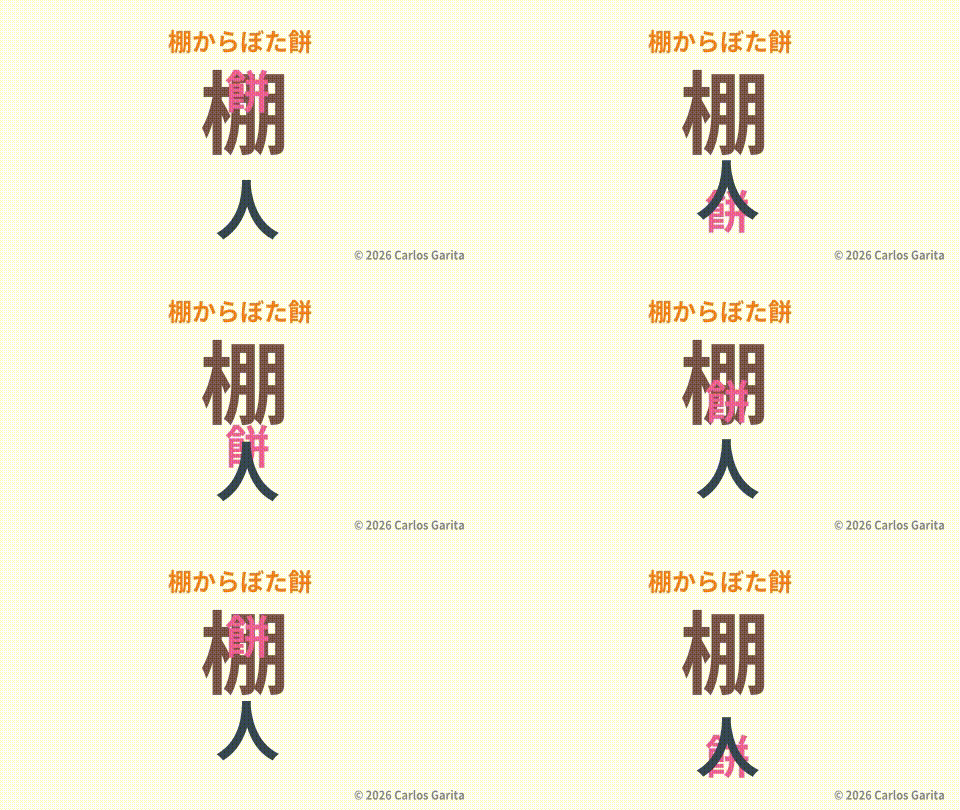
棚からぼた餅
たなからぼたもち
Tana kara botamochi
"A rice cake falls from the shelf" (An unexpected windfall / stroke of good luck)
Refers to receiving a stroke of unexpected good fortune or luck without having to work for it. It brings the image of a delicious sweet rice cake (botamochi) dropping right into one's open mouth from a shelf above.
Food & Daily Life
月とすっぽん
つきとすっぽん
Tsuki to suppon
"The moon and a soft-shelled turtle" (As different as night and day / chalk and cheese)
Both the moon and the round shell of a soft-shelled turtle (suppon) have round shapes, but they are completely different in beauty, position, and value. It describes two things that appear similar at first glance but are worlds apart.